
- Pay pocket money regularly each week; rhythm matters more than the amount.
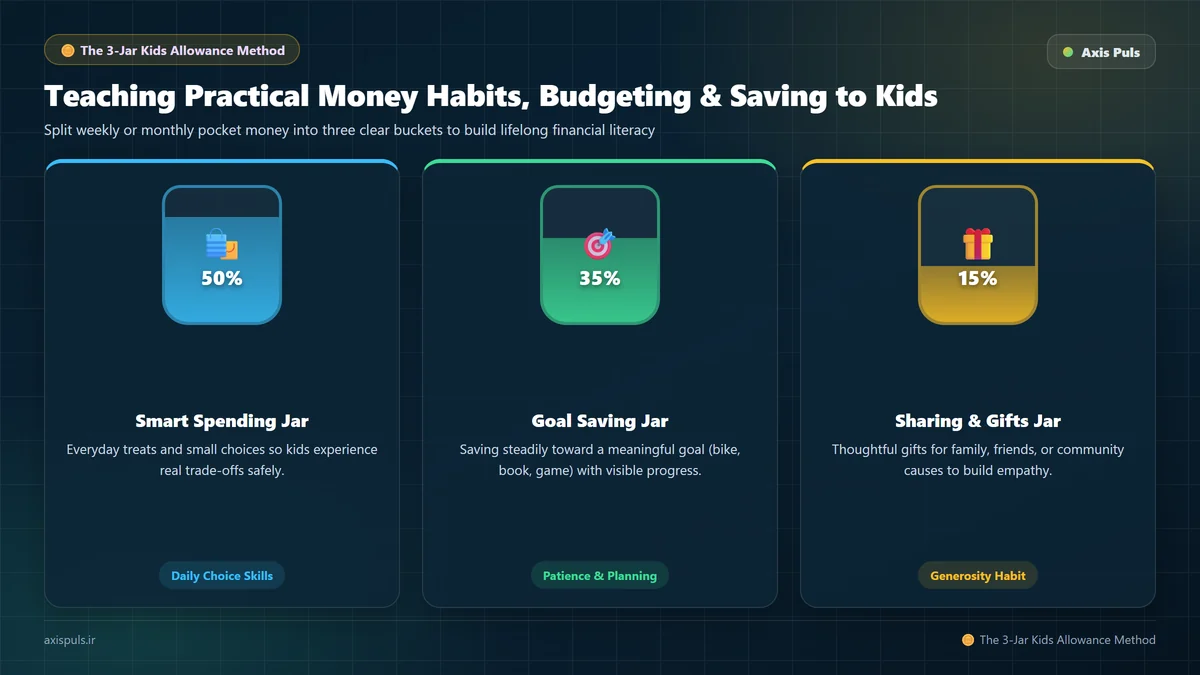
- Split each deposit with the three jars: spend, save and give and keep balances apart.
- Record simply and on the same day; a separate account, a simple category and a short note are enough.
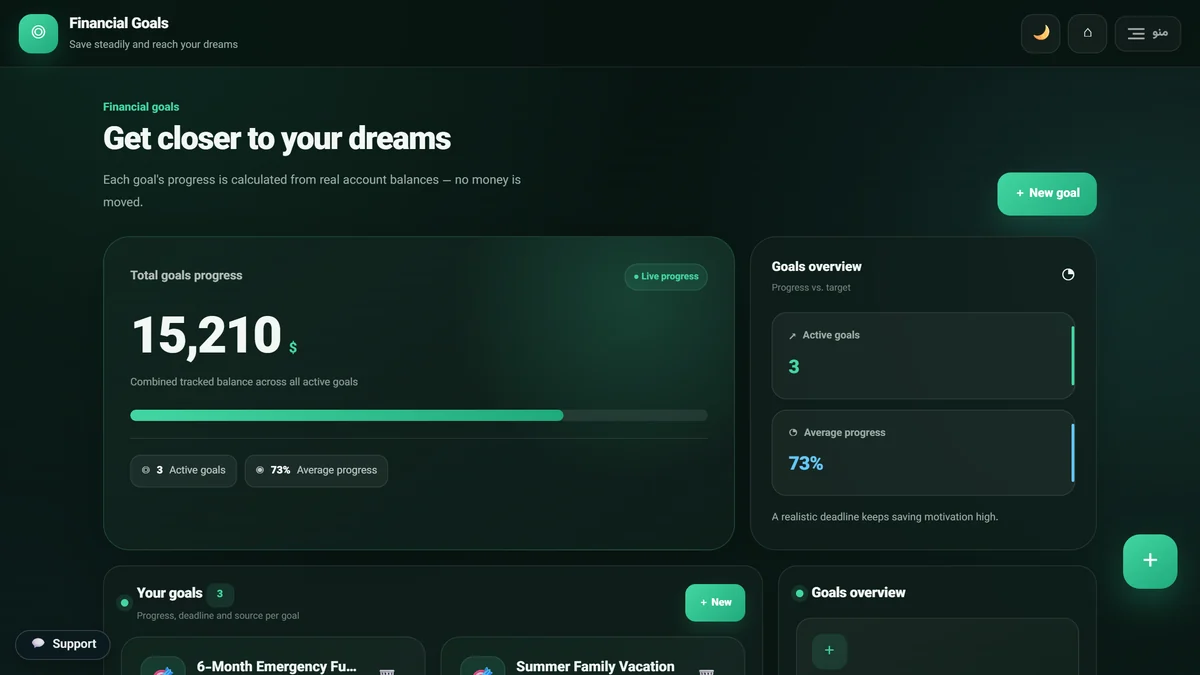
- Set a saving goal with amount and duration and follow progress with a colored chart.
How can child pocket money be managed?
Asking 'where did my paycheck go?' at month-end usually comes down to invisible daily micro-spending and overly strict budgets that snap by week two. In this 5-minute guide, we set up a realistic, guilt-free system for personal and family money management.
Asking 'where did my paycheck go?' at month-end usually comes down to invisible daily micro-spending and overly strict budgets that snap by week two. In this 5-minute guide, we set up a realistic, guilt-free system for personal and family money management.
How can pocket money be recorded?
Records are the heart of pocket-money control. Sound records are timely, complete and simple: Friday deposits on the same day, each purchase on the same day or evening, with account, category, amount and a short note. Keep child categories to five so choice stays easy: school snacks, play, stationery, transport and giving.
In Axis Puls each transaction stores account, income or expense type, category, amount, date and note. Weekly deposits enter as income to the child account and purchases enter as expenses with simple categories. Records are manual, so each entry creates a short dialogue, and no automatic bank link exists, which keeps awareness high.
- Record Friday deposits on the same day and note jar shares apart.
- Enter each purchase on the same day with a simple category and short note.
- Keep misc small and create a precise category when it repeats.
- Match school receipts with entries each Friday.
| Monthly Household Bucket | Flexible Target Share | Real-World Examples | Stress-Free Control in Axis Puls |
|---|---|---|---|
| Essential Fixed Needs | 50%–60% of baseline income | Rent/mortgage, home groceries, utilities, school, healthcare | Set category budget caps and separate the main bill account |
| Lifestyle & Personal Wants | 20%–30% of baseline income | Dining out, weekend outings, hobbies, kids' pocket money | Guilt-free spending within an agreed monthly ceiling |
| Savings & Named Goals | 15%–20% (paid first on payday) | Emergency buffer, annual trip, appliance upgrade, courses | Track target amount and periodic contributions visually |
| Shared Household Spend | Proportional or 50/50 split | Shared groceries, home repairs, family hosting | Log payer clearly and run a calm 5-minute Sunday check-in |
How can money management be taught?
Children copy conduct more than words. When they see lists, price checks and patient waiting for discounts, they repeat the pattern. Start with your own pattern and name your reasons aloud. Home shop games with toy money practice sums and choices in a joyful setting.
Teach needs and wants with one daily example: bread is a need and extra chips are a want from the spend jar. A drop each day works better than long lectures and stays in memory.
- Practice shop play at home for sums and choices.
- Explain one need-versus-want example each day.
- Let one early finish teach waiting until Friday.
- Compare two options on paper before deciding.
Instead of designing an elaborate system you abandon by Thursday, spend just three minutes each evening closing open loops and picking tomorrow's top three items inside your personal planner. Small, steady habits beat occasional perfection every time.
- Record Friday deposits on the same day and note jar shares apart.
- Enter each purchase on the same day with a simple category and short note.
- Keep misc small and create a precise category when it repeats.
- Match school receipts with entries each Friday.
- Practice shop play at home for sums and choices.
- Explain one need-versus-want example each day.
- Let one early finish teach waiting until Friday.
- Compare two options on paper before deciding.
How does this guide differ and what is next?
This guide differs clearly from the encyclopedia entry at child pocket money. The encyclopedia is a short idea piece: starting age around six to seven, amounts by age and means, three jars and brief answers in about eight minutes. When you need quick concepts, that entry is enough.
This hub page is a practical manual: separate accounts, weekly deposits, three-jar budgets with shares and numeric examples, saving goals with amounts and durations, five-minute Friday reviews, seasonal reports and links to household flow. Tables, the Friday checklist and age scenarios serve use in Axis Puls. In short: the encyclopedia explains why and what, while this guide shows how and with which tools. Both link to each other and complete one another.
| Daily Planning Method | Real Practical Strength | Hidden Pitfall | Best Everyday Use Case |
|---|---|---|---|
| Plain Paper To-Do List | Zero friction and satisfying checkmarks | No time slots; urgent trivia crowds out deep work | Top 3 desk priorities for the morning |
| Calendar Slots Only | Clear view of fixed appointments | Treats low-impact errands the same as critical goals | Meetings, classes, and work shifts |
| Timeline + Eisenhower Priority (Axis Puls) | Combines time order in Today view with clear urgency/importance | Takes 30 seconds to tag priority when adding a plan | Busy workdays and rotating shift schedules |
| Weekly Review + Buffer Blocks | Absorbs unexpected delays without derailing the week | Requires a 15-minute weekly reset habit | Balancing career, study, and family life |
Managing pocket money means managing rhythm rather than amounts. With pocket money a child practices three skills: waiting for wants, choosing among options and setting part aside for a larger goal. When these skills are practiced during school years, they can turn into steady conduct later. View pocket money as tuition for finance lessons that meets each Friday.
Instead of designing an elaborate system you abandon by Thursday, spend just three minutes each evening closing open loops and picking tomorrow's top three items inside your personal planner. Small, steady habits beat occasional perfection every time.
To connect this workflow with adjacent tools and real examples, explore Personal Planner, Eisenhower Matrix, Time-Blocking Guide, Weekly Planning, Smart Checklists.
❓ Frequently Asked Questions from Real Workflows
Record this Friday's first deposit
Create a separate account for the child, record the weekly deposit and activate spend, save and give jars; review the Friday report together.
Start pocket-money records