- Doing personal accounting is one of the most essential life skills in today's world. Many people do not know where their money was spent until the end of the month; Personal accounting puts an end to this confusion.
- Follow the practical tips of each section in the rest of the article and the tip boxes.
- Read the answers to frequently asked questions in the frequently asked questions section of this page.
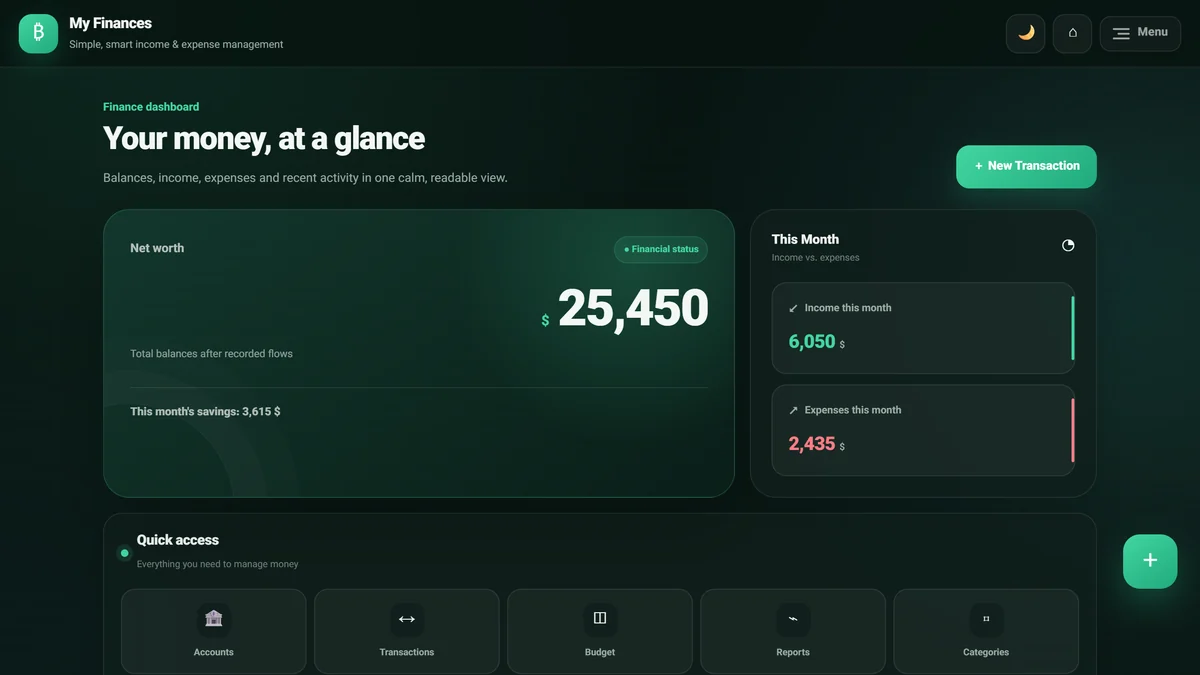
personal accounting; The key to financial peace
Lasting financial control comes from small, repeatable habits: clear visibility into inflows, realistic caps on flexible spending, and paying savings goals first. Walk through the complete 5-minute system below.
To do Personal accounting It is one of the most essential life skills in today's world. Many people do not know where their money was spent until the end of the month; Personal accounting puts an end to this confusion.
Golden principles of personal budgeting
An effective personal accounting system is based on three principles:
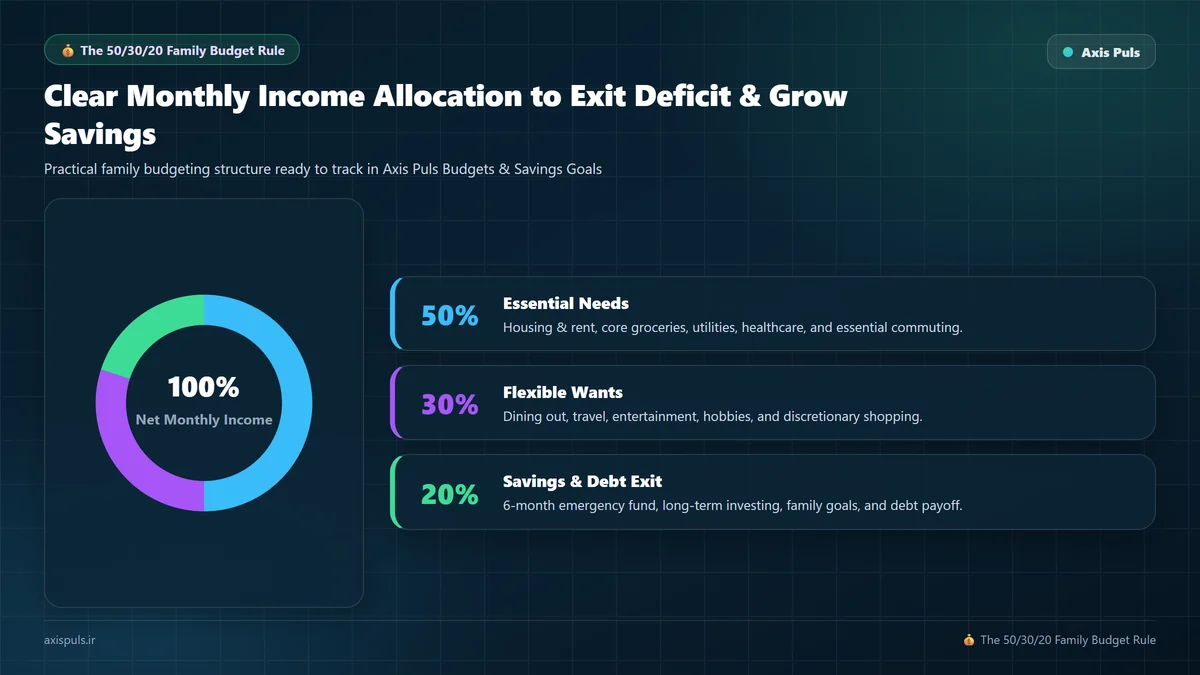
First take your share of savings, then live on the rest of the money; Don't think about saving after all the expenses.
- Complete identification of all sources of income
- Classification of expenses into necessary and unnecessary
- Determining the budget limit for each category
| Financial Control Criterion | Memory & Bank SMS Alerts | Paper Notebook or Manual Sheet | Personal Finance & Budget Tracker (Axis Puls) |
|---|---|---|---|
| Capturing Daily Micro-Spend | Cash tips and quick transfers vanish from memory | Waiting until laptop time at night leads to skipped days | Log in seconds on mobile across bank, cash, or wallet accounts |
| Category Budget Visibility | You only notice overspending once the balance hits zero | Requires manual summing and formula maintenance | Real-time progress against each monthly category ceiling |
| Separating Savings Goals | Rent money, daily coffee, and savings sit in one blurred pool | Hard to track multi-month target progress cleanly | Dedicated accounts plus named savings goals with target dates |
| Shared Bills & Group Splits | Awkward guesswork after roommate runs or group trips | Manual per-receipt spreadsheet math | Built-in payer logging and clean per-member settlement |
Methods of recording expenses and incomes
Old paper notebooks are often discarded due to forgetfulness. Mobile applications are your constant companion in financial control.
- Complete identification of all sources of income
- Classification of expenses into necessary and unnecessary
- Determining the budget limit for each category
Features of Axis Puls personal accounting section
Axis Puls financial module offers the possibility of defining bank accounts, registering loans, checks, categories with various icons and multidimensional reporting.
| Real User Situation | Common Emotional Trap | Sustainable Practical Response |
|---|---|---|
| Falling behind by mid-afternoon | Doubling tomorrow's workload and burning midnight oil | Prune low-value tasks immediately and rescue 1–2 core items |
| Setting monthly or quarterly goals | Writing vague wishes like 'get organized' with no calendar slot | Break each goal into concrete weekly milestones on your timeline |
| Running meetings or group plans | Open-ended calls with no agenda, owner, or stop time | Attach a 3-bullet agenda, hard end time, and action checklist |
| Choosing planning software | Juggling four complex apps until tool fatigue wins | Keep daily tasks, Eisenhower priority, and shifts in one place |
To connect this workflow with adjacent tools and real examples, explore Personal Finance Tracker, Income & Expenses, Family Budget Guide, Income Management, Cost Management, Pocket Money Guide.
- Log baseline salary separately from variable overtime or side gigs so fixed bills never depend on lucky months.
- Record small daily spends right at checkout on your phone, keeping the 'Miscellaneous' bucket under 10%.
- Set realistic monthly ceilings on your top three flexible categories—typically dining out, ride-hailing, and impulse shopping.
- Use a steady, capped pocket money routine to teach kids real prioritization safely.
Many money arguments between partners, roommates, or friends during group planning come from forgotten mid-trip receipts. Logging payers as expenses happen lets everyone settle up cleanly with zero awkwardness.
A quick note on product transparency: multi-account tracking, income/expense categories, monthly budgets, named savings goals, and group expense splitting are live today in Axis Puls; the conversational AI financial assistant is currently in development and honestly labeled as coming soon.
Almost everyone has checked a bank balance on the 22nd of the month and wondered where the paycheck disappeared. Raw bank SMS alerts show merchant totals without context, while cash payments, digital wallets, and peer transfers vanish from memory within hours. Modern personal accounting isn't about corporate bookkeeping—it's about seeing an honest map of your cash flow in two minutes a day.
When you separate your main bill account, daily spending card, digital wallet, and cash inside the Axis Puls financial management module, you immediately know how much money is genuinely free to spend without accidentally dipping into rent or savings.
❓ Frequently Asked Questions from Real Workflows
Manage your financial future with Axis Puls
Get full control over your spending and savings today.
Sign up free