
- Calm shopping usually starts with a quantified list; enter the store with numbers for fast relaxed choices.
- Keep two rhythms apart; fresh goods weekly and pantry and consumables monthly.
- This page holds a real 24-item template with checkboxes; 8 weekly, 8 pantry and 8 home lines to save in Axis Puls.
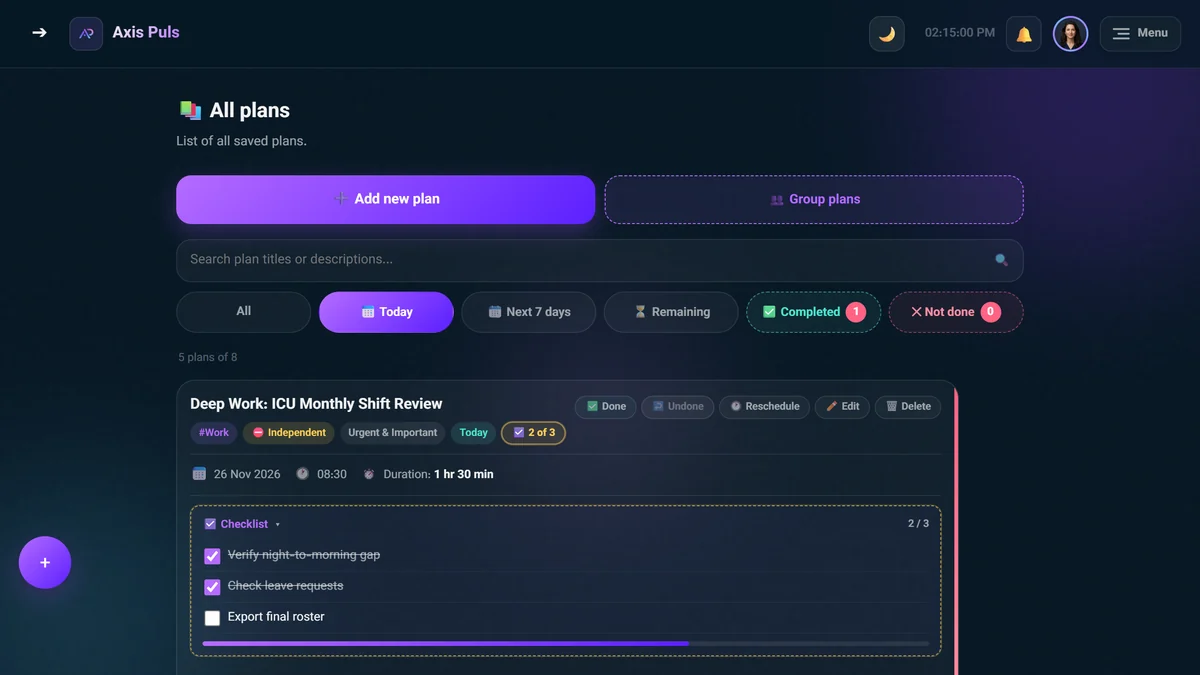
- In Axis Puls the checklist lives inside each plan; type an item, press Enter, and see it on time with reminders.
Why shopping without a checklist often costs more
Forgetting a passport, charger, or key project deliverable rarely happens because you don't care—it happens because working memory drops obvious details under time pressure. This 5-minute guide organizes your checklist into calm, timed waves so nothing slips through.
Forgetting a passport, charger, or key project deliverable rarely happens because you don't care—it happens because working memory drops obvious details under time pressure. This 5-minute guide organizes your checklist into calm, timed waves so nothing slips through.
Two shopping rhythms; weekly fresh goods and monthly pantry
The biggest family mistake is putting every purchase into one giant monthly trip or, conversely, visiting the store daily for single items. The two-rhythm method spreads this pressure. The weekly rhythm covers fresh goods; bread, milk, eggs, fruit and vegetables with short shelf life are better bought fresh each week. The monthly rhythm covers pantry; rice, oil, legumes, detergents and non-perishable items where bulk buying is often more economical. With this rhythm, each week brings only a few small ticks and the fridge stays fresh.
To keep rhythms apart, register each rhythm in Axis Puls as a separate dated plan. For example a "Thursday weekly shopping" plan and a "first-of-month shopping" plan. Each plan carries its own reminder and its own checklist. The night before shopping you review only that list and check fridge stock. This simple split mirrors what organized families do, only in app form.
| Preparation Wave | Critical Items & Actions | Common User Mistake | Practical Fix Inside Your Plan |
|---|---|---|---|
| Wave 1: 3–7 Days Ahead | IDs/documents, bookings, essential meds, budget, role split | Packing clothes first and leaving documents to the night before | Pin non-negotiable items at the top of the plan checklist |
| Wave 2: Night Before | Main bag/gear setup, charging devices, home/venue prep | Relying on tired late-night memory | Tick items off one by one as they enter the bag |
| Wave 3: Final 30 Minutes | Keys, phone, bank cards, charger in wall socket, meeting deck | Leaving everyday essentials plugged into the wall | Run a 2-minute doorway scan before stepping out |
| Post-Event Wrap-Up | Settle shared expenses and note missing items for next time | Rebuilding the same list from scratch next month | Reuse your saved plan checklist as a proven template |
Shopping budget and the link to expense management
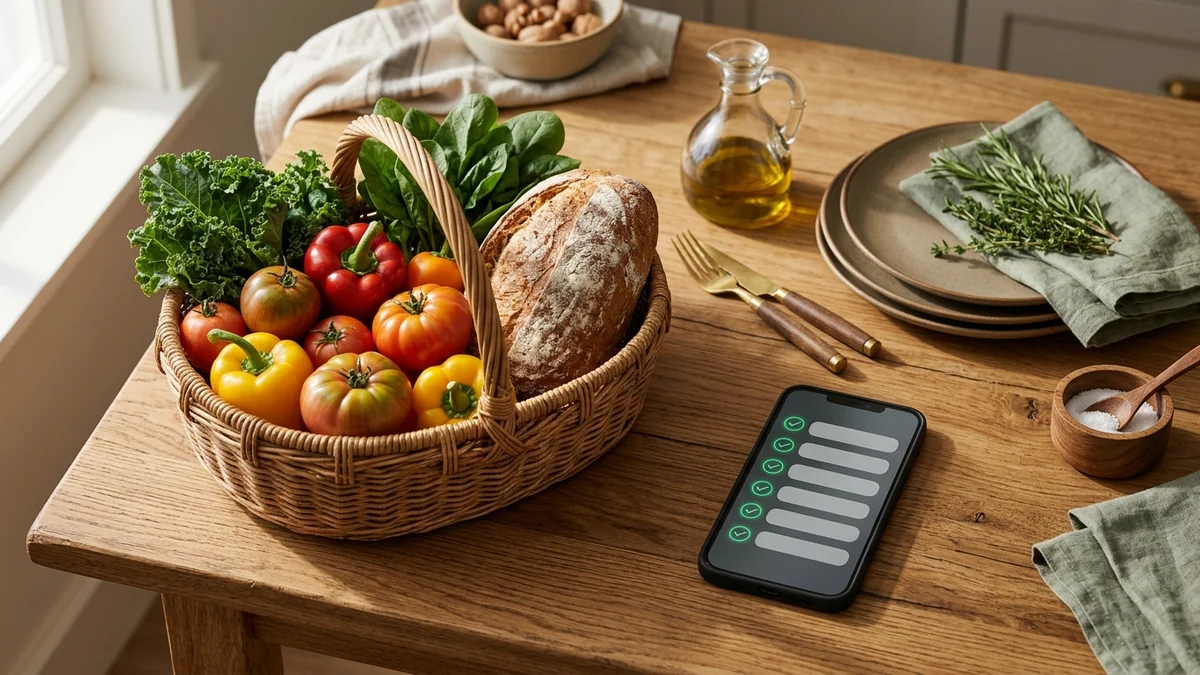
A shopping checklist without a budget cap is only half the journey. The next step is knowing how much you set aside monthly and how far reality drifts from the plan. Our suggestion is simple; write a separate cap for weekly and monthly shopping and record real spending the same day. At month end, place the two numbers side by side and read the pattern; which category usually passes the cap and which stays lower. This short comparison is the basis for next month.
To deepen the habit, connect it to household expense management. Shopping belongs to the income-and-expense flow, not a separate activity; when the shopping cap matches the overall expense picture, decisions grow more realistic. That is why we suggest reading the expense management guide; there you learn to group expenses, cap each group and review drift monthly. Linking these two habits turns shopping from a weekly errand into part of household financial order.
Instead of designing an elaborate system you abandon by Thursday, spend just three minutes each evening closing open loops and picking tomorrow's top three items inside your personal planner. Small, steady habits beat occasional perfection every time.
Summary; calm shopping with three tick groups
To compress this guide into one sentence: good shopping means entering the store with a quantified list. With dual weekly-monthly rhythm, numbered shopping, pre-exit stock review and same-day expense recording, shopping shifts from a stressful errand to a calm habit. No need to execute all 24 items perfectly; fridge review, budget cap and receipt recording already make a noticeable difference.
Start tonight; review fridge and pantry, save this template in Axis Puls, and do the next shopping with a list. Then improve the pattern each month. A few shoppings with this system are enough for a more predictable budget and fewer repeated trips. For the next step, read the expense management guide to connect the shopping cap to the overall household expense picture.
| Group Coordination Dimension | Scattered Messenger Group Chats | Structured Group Plan in Axis Puls |
|---|---|---|
| Headcount Confirmation | Vague 'maybe' replies buried under 200 off-topic messages | Clear invite flow with explicit Accept / Decline status |
| Shared Gear & Task Split | Two people buy charcoal while nobody brings the first-aid kit | One shared checklist attached directly to the event |
| Time or Venue Updates | Latecomers miss changes scrolled out of view | Single source of truth for date, time, and plan notes |
| Splitting Shared Costs | Awkward spreadsheet math days after the trip ends | Built-in group expense tracking and simplified settlement |
Shopping without a list puts the brain in last-minute decision mode; you must think about fridge stock, the budget, discounts and family tastes at the same time. Working-memory research suggests people can hold only a few items at once in such conditions and drop the rest. The result is a familiar pattern; a second trip for forgotten milk, extra pasta that was already at home, and detergent running out exactly when needed. A checklist lifts this load off the mind and records decisions in advance, so only execution remains in the store.
Instead of designing an elaborate system you abandon by Thursday, spend just three minutes each evening closing open loops and picking tomorrow's top three items inside your personal planner. Small, steady habits beat occasional perfection every time.
To connect this workflow with adjacent tools and real examples, explore Personal Planner, Eisenhower Matrix, Time-Blocking Guide, Weekly Planning, Smart Checklists, Group Planning.
❓ Frequently Asked Questions from Real Workflows
Build your shopping checklist today
Copy the 24-item template; set date and reminder and do the next shopping with a list for fewer repeated trips.
Create checklist in Axis Puls